Galaxy Map
The Milky Way in three dimensions. Interactive 3D galaxy models and hundreds of real galactic structures — nebulae, supernova remnants, clusters and stellar associations.

A family of space apps built on live astronomical data. Fly through the Milky Way in 3D, travel to real exoplanets and land on them, or build a star system of your own.
Two free apps, one bundle that contains both, and a sandbox game where you build the systems yourself. All available on Android and iOS.
The Milky Way in three dimensions. Interactive 3D galaxy models and hundreds of real galactic structures — nebulae, supernova remnants, clusters and stellar associations.
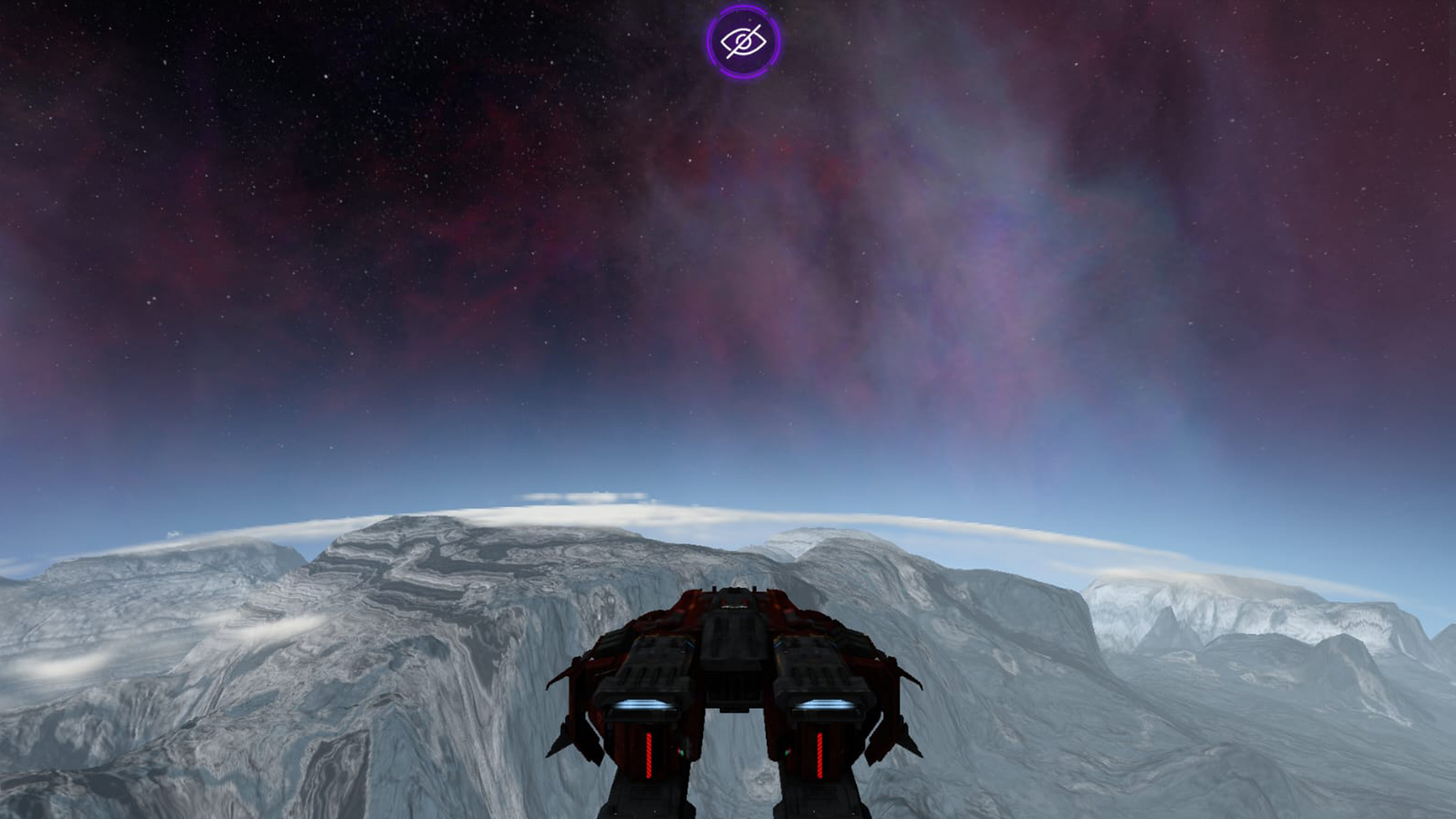
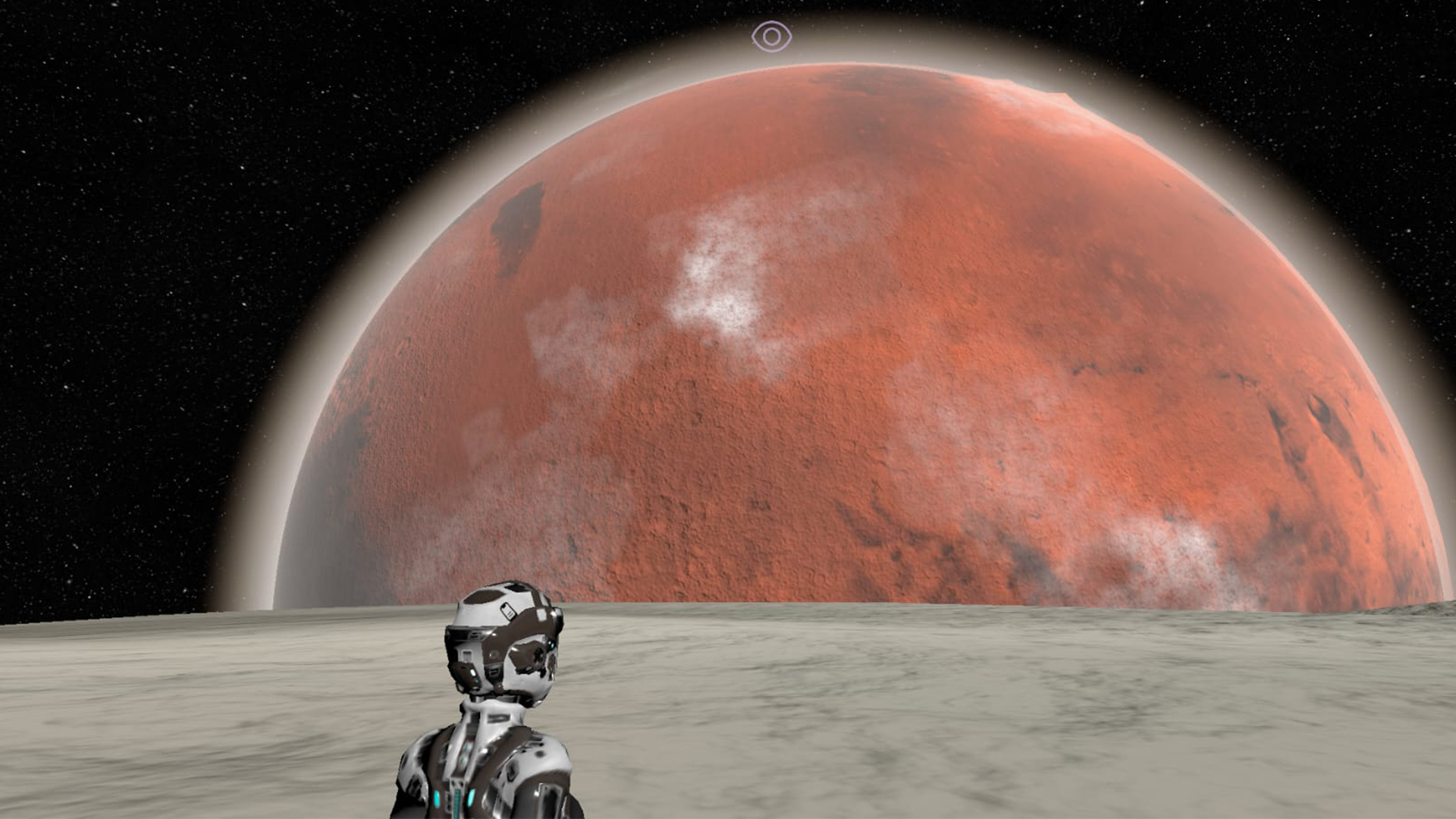
Every exoplanet, star, black hole and pulsar in the database. Fly to them in a ship, land on the terrestrial worlds and walk the surface — or dive inside a gas giant.
Both apps in one, with every in-app purchase already unlocked — including everything added in the future. No ads, nothing left to buy.
A sandbox universe. Build systems from stars, planets, black holes, pulsars and nebulae, shape the worlds yourself, then fly in and land on what you made.
The three free apps are paid for by ads — and the ads thin out as you play. The gap between them widens the longer a session runs, from three minutes to five to eight. The PRO app has none at all.
Fly out of the galactic plane and watch the structure of our galaxy resolve around you — arms, bulge, dust lanes and the objects scattered through them.
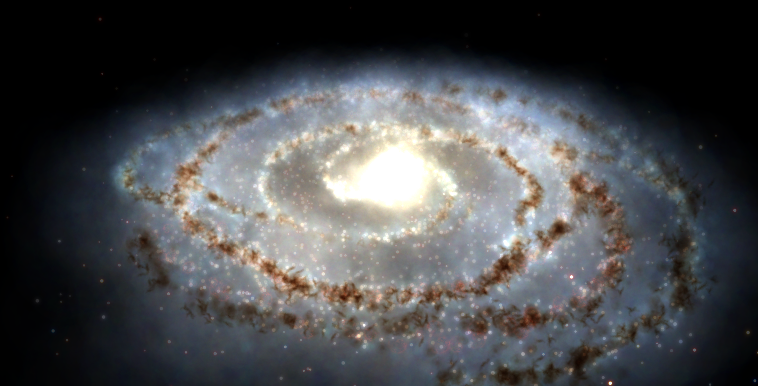
Every nebula and cluster is placed on real catalogue data, so what you fly to is where it actually is. Pick one, warp there, and look back at where you came from.
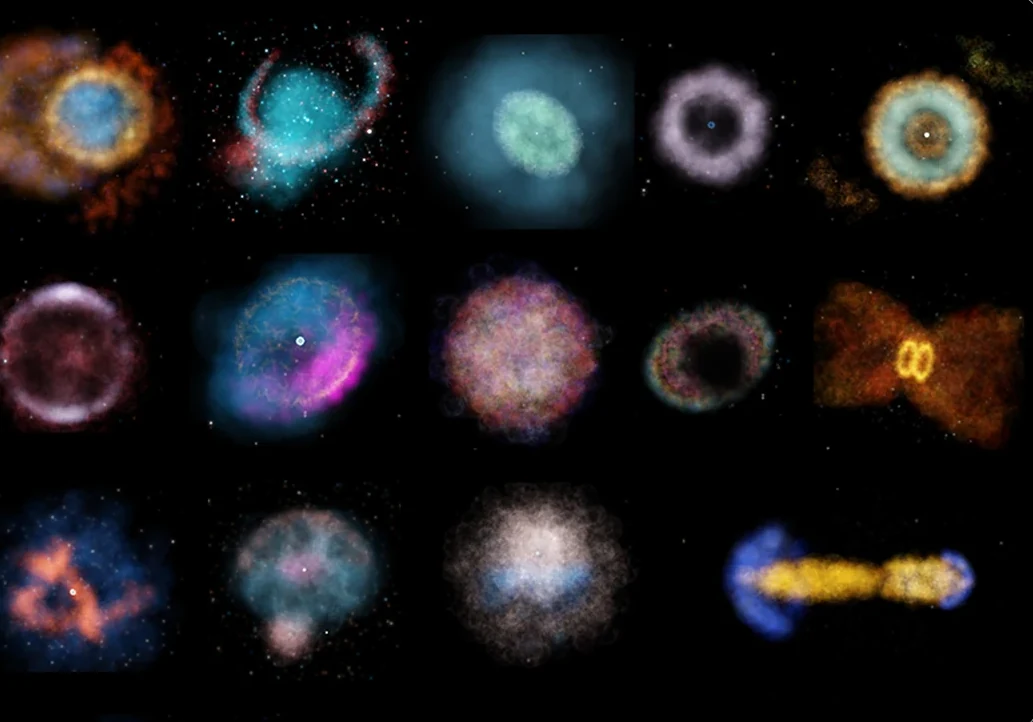
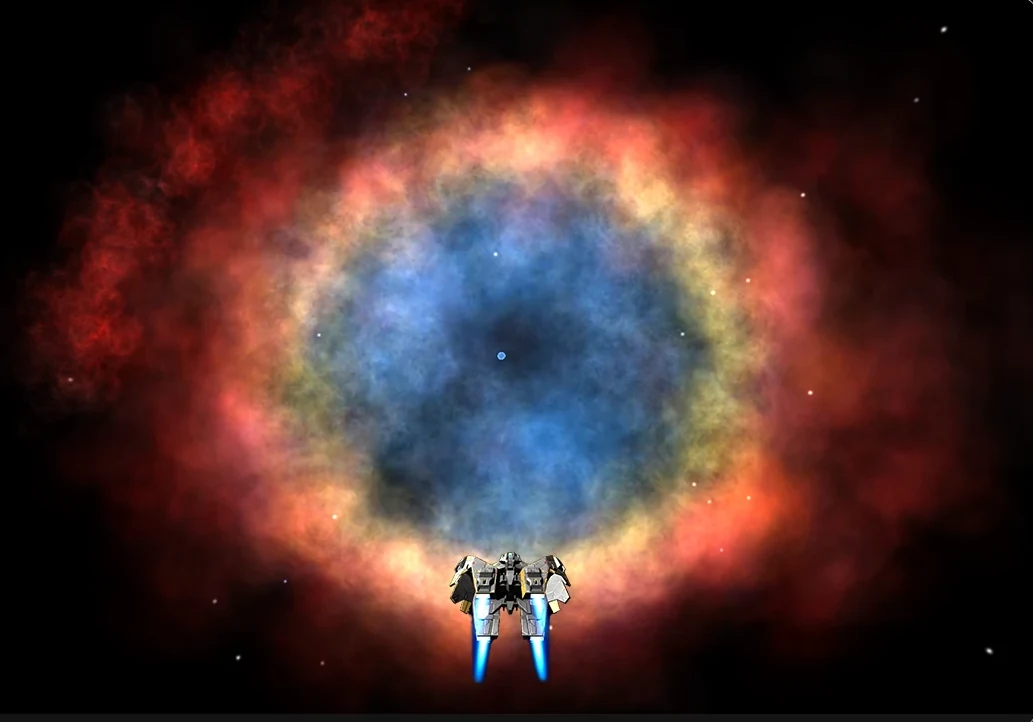
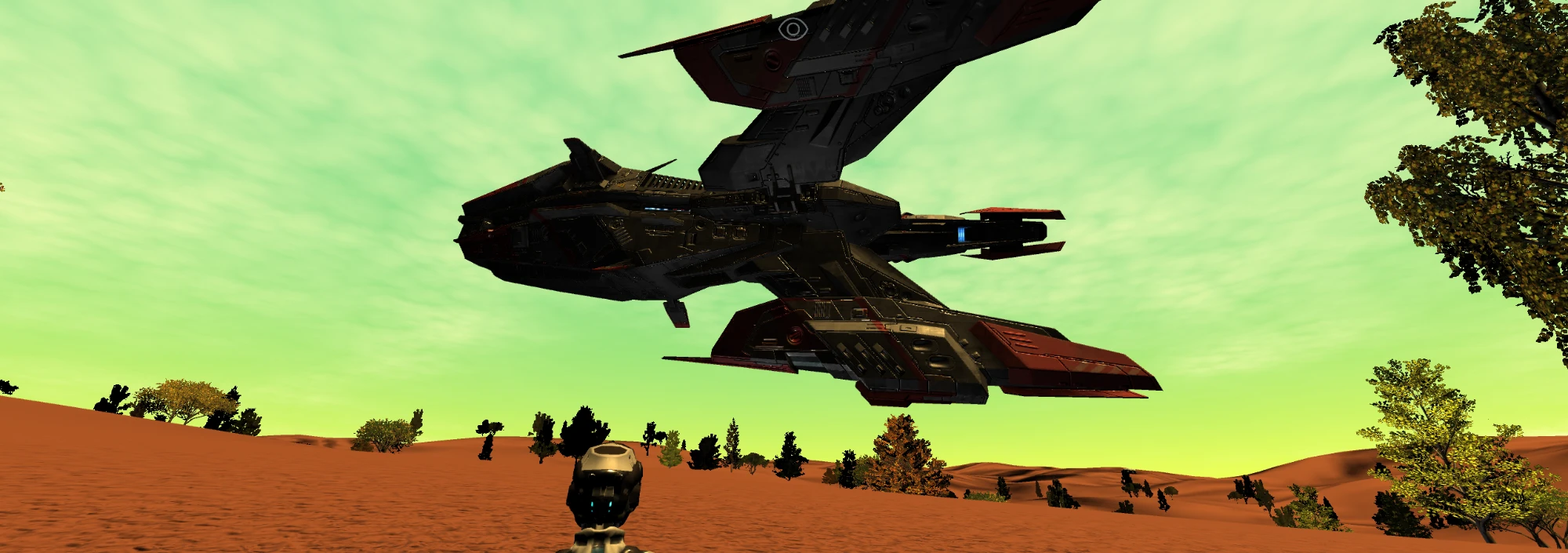
Everything in the database is somewhere you can actually travel to. Choose a target, fly out in your ship, and arrive.
Surfaces are generated from the planet's own properties, so an ice world, a lava world and a temperate one feel nothing alike when you are standing on them.
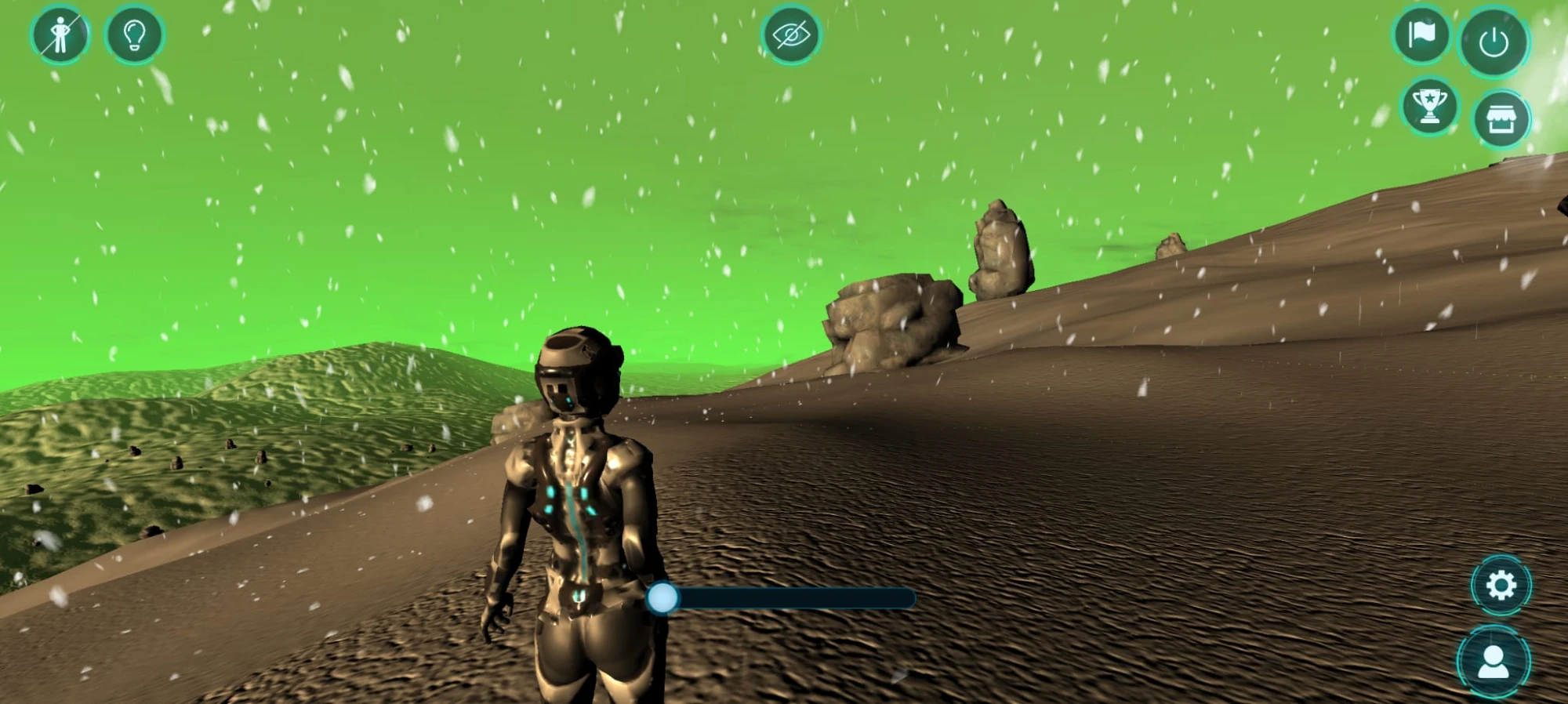
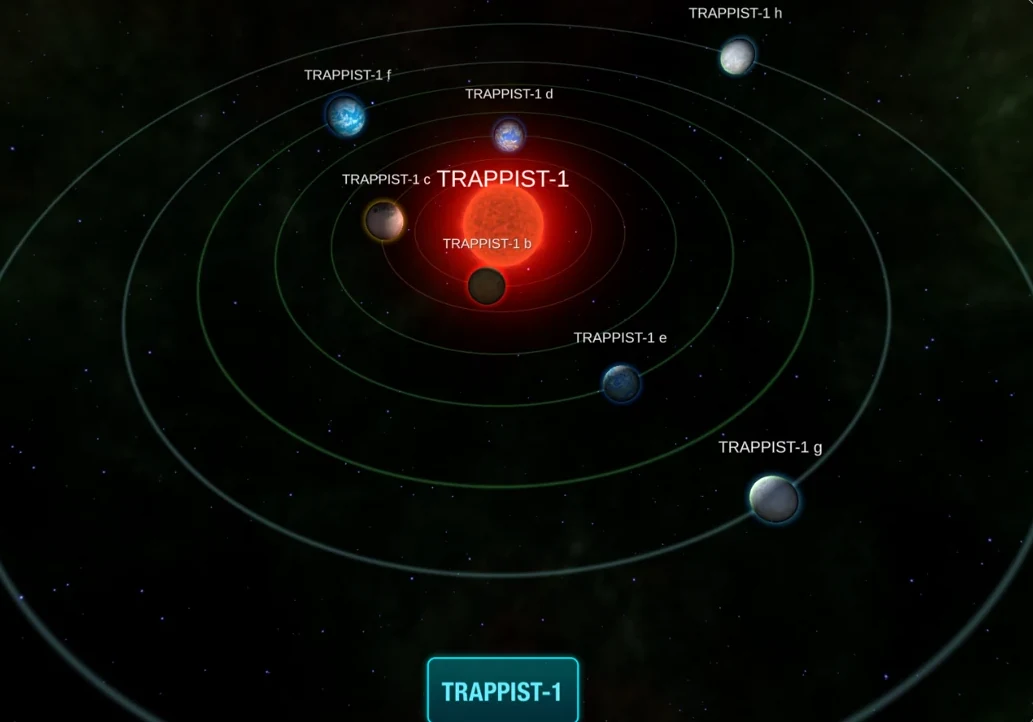
Exploration is tracked. What you find fills in a profile, and the planets you reach can be claimed for your country.
Missions are built around exploration — reach a certain kind of planet, scan a certain class of star, get somewhere difficult. Completing them unlocks character skins and new ships.
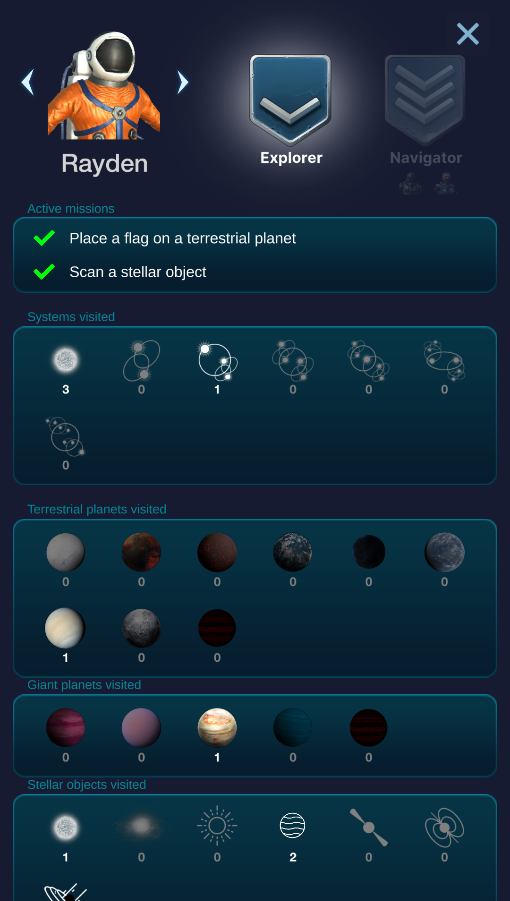
Every terrestrial planet you land on can be claimed with your chosen country's flag. Those claims roll up into monthly leaderboards, and countries compete for the top of the table.
All-time leaderboard
A sandbox where the universe is yours to assemble — and then to visit. On Android and iOS.
Start from a single star or a tangled multi-star hierarchy. Hang planets, moons, disks and rings off any node in the tree, and drop in black holes, pulsars and nebulae alongside them.
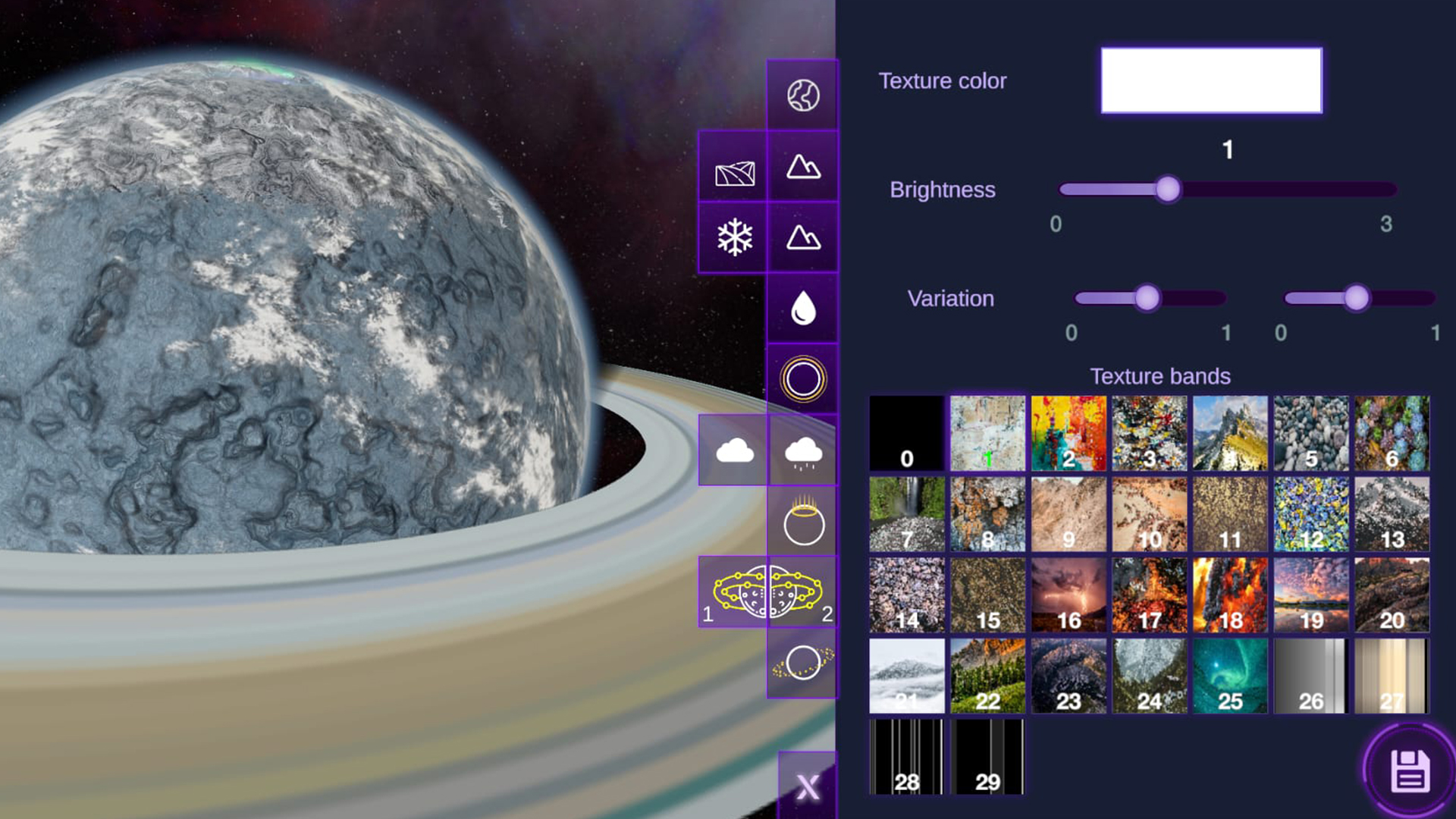
Everything you place is somewhere you can go. Take the ship out, skim the rings, drop through the clouds and set down on a world that did not exist an hour ago.
Stars and Planets and the PRO app are built on a database that refreshes itself every night from the public astronomical archives.
Every night the database pulls new and revised measurements from the NASA Exoplanet Archive, exoplanet.eu, SIMBAD and the Planetary Habitability Laboratory. New planets are added and existing ones corrected as the science is updated — no app update required.
The most recent additions and revisions to land in the catalogue.
Live from the App Store and Google Play.

“Stars and Planets is a beautifully crafted app with awe inspiring visuals within an exciting virtual universe. The sheer volume of information can excite even the most confident scientist and challenge them to expand their current understanding and curate their passion for all things ‘Space’.”

App Store

Google Play
App Store
Google Play
The to-do list for every app lives in the open, and the community votes on what matters. Read it, then come and argue about the order.